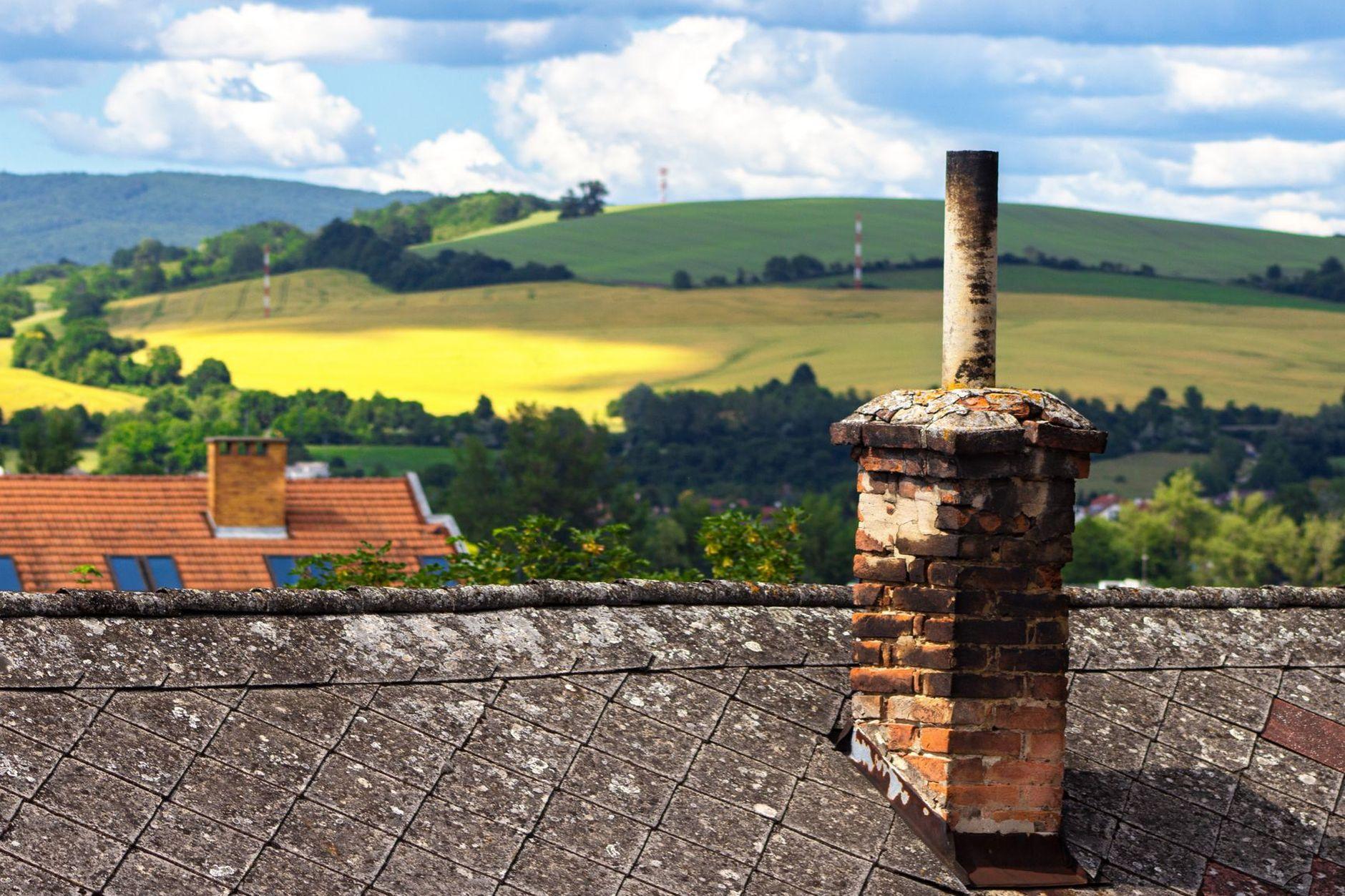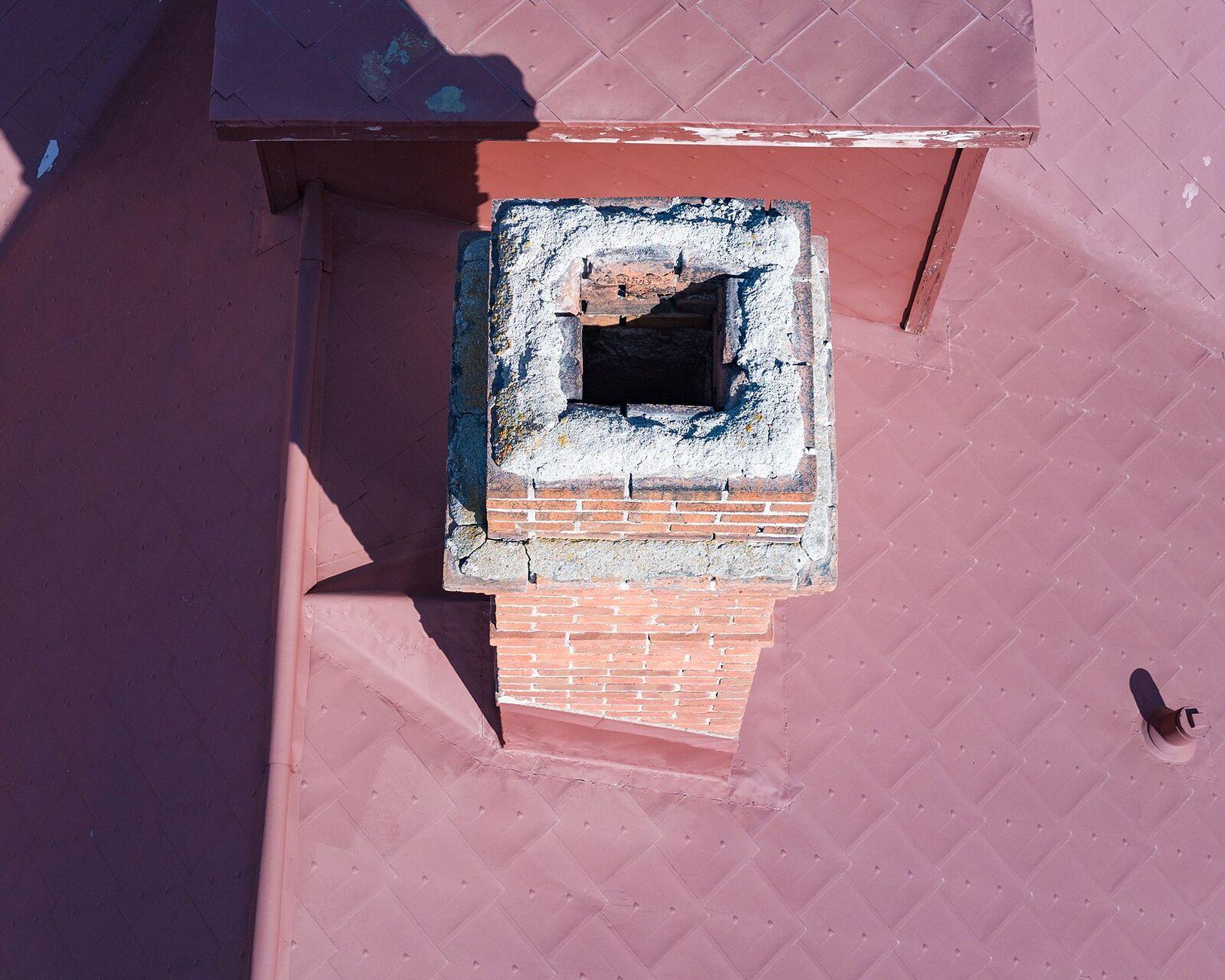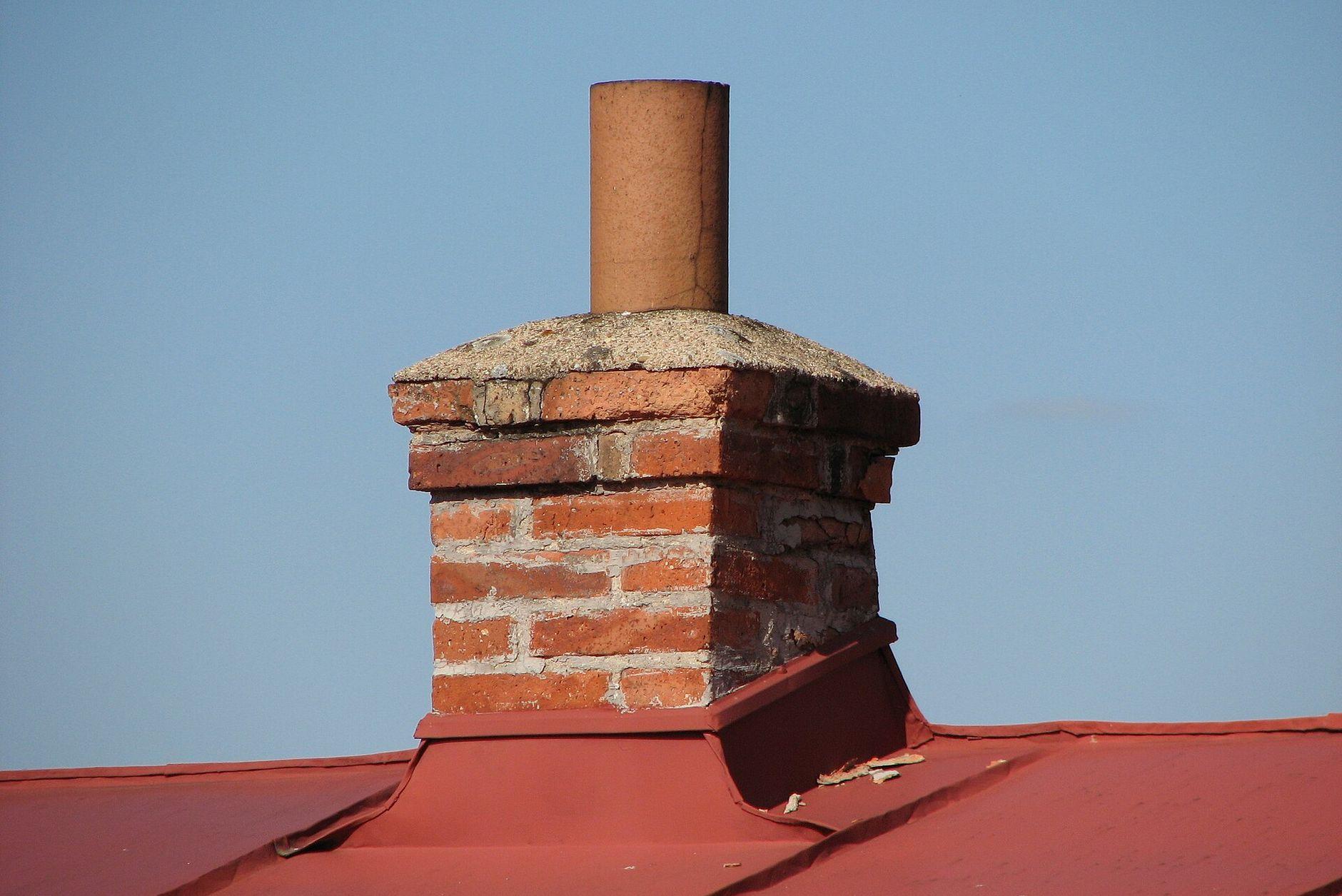


Escrow is open, the buyer's inspection is back, and the chimney section mentions water: a stain on the ceiling, a crack across the crown, white salt bloom on the brick in the attic. Sellers in Orange call Toyon Chimney Pros at this stage more than at any other, and the job is usually smaller than the repair request makes it sound. This is how we handle leak and crown work while a sale is pending.
Where the water gets in
A chimney takes in water through a short list of places, and the fix depends on which one:
- The flue opening. No cap, or a cap whose lid has rusted through. The answer is a new cap. We measure it before giving a price, which depends on the metal and on how many flues it has to cover.
- The crown. Cracks in the concrete top let rain into the brick below. The answer is sealing fine cracks, or casting a new crown. No set price.
- The flashing. The metal where roof meets chimney has lifted or rusted. The answer is new flashing, often with a cricket on a wide stack: $460 to $1,035 for the cricket, $690 to $1,700 with the flashing included.
- The brick and mortar. Open joints soak up rain. The answer is repointing, sometimes followed by a water repellent. No set price.
When nobody knows which one it is, we find out. Tracking a leak down and stopping it costs $575 to $3,450 with us, depending on how many of those sources are involved.
What decides the figure
The source decides most of it. A missing cap is the most common answer and one of the simplest. A crown that has to be cast again, or masonry that needs repointing, needs a measuring visit and gets its figure in writing. The roof matters too: a steep tile roof takes more care to work on than a low composition roof, and a tall stack needs more staging than a short one.
Get a written leak or crown figure and tell us where the water appears, what the buyer's report says about it and when escrow is due to close.
Crown cracks: seal or recast
Fine cracks on a crown that is otherwise solid can be sealed with a coating made for crowns. A crown split right through, crumbling at its edges, or built as a thin layer of mortar with no overhang is better taken off and replaced. A new crown is cast to stand proud of the brick on every side, so rain leaves the edge rather than running down the face of the stack.
Buyers' inspectors often photograph crown cracks from a ladder without knowing how deep they go. Our camera and a close look on the roof tell you which kind you have, and the repair figure follows from that. See the crown repair page for the work itself.
Repair before close, or credit
Leak and crown items are among the easiest to settle in escrow, because they are well defined. A cap or a cricket is a small job, so many sellers simply have it done and hand over the receipt. A crown recast wants dry weather, which in Orange means most of the year outside the winter storms. If the closing date is tight, a written figure lets you offer a credit the buyer can trust, and our post on whether to fix or disclose a chimney defect covers how sellers usually weigh that.
The paperwork escrow wants
Escrow runs on paper. For a leak or crown repair, we provide:
- The written scope and price before any work starts
- Photos before and after
- A dated note of what was done
- If the buyer asks, a camera re-check for $400 and a fresh report
Each goes to whoever you name, which is usually both agents.
When the leak is only one line on the report
Buyers' reports rarely flag a leak on its own. The same page might mention a rusty damper, soot built up in the smoke chamber or a spark screen missing from the top. Gathering those into one visit saves a second trip onto the roof and gives escrow one set of papers instead of three. Tell us everything the report lists when you book, and we will plan the visit to cover all of it, with each item priced where we publish a figure and written up on its own page where we do not.
Damage the leak left behind
A long-running leak can stain plaster, soften framing in the attic or rust the damper. We note what we see, but plaster and framing repairs belong to other trades. Our report says where the water travelled, so those trades know where to look. Damper rust is ours, and the damper repair page explains that work.
Rain in Orange County
Orange gets most of its rain from a handful of winter storms. A chimney can sit dry for months and then leak hard in one storm, which is why a stain so often appears just as a house goes on the market in early spring. Once the leak is fixed and the masonry is sound, waterproofing is the step that keeps the brick from soaking up the next storm. The leak repair page describes the tracing work in full, and sellers in Garden Grove, Irvine and Anaheim get the same visit.
If a stain or a cracked crown is holding up your escrow, write to us through the contact page with the address and what the report found, and we will arrange the visit.
Selling Soon? Let the Report Reach You First
Toyon Chimney Pros inspects the chimney before you list and marks every finding repair, price or disclose. We work from Orange across Garden Grove, Irvine, Anaheim and the rest of Orange County.