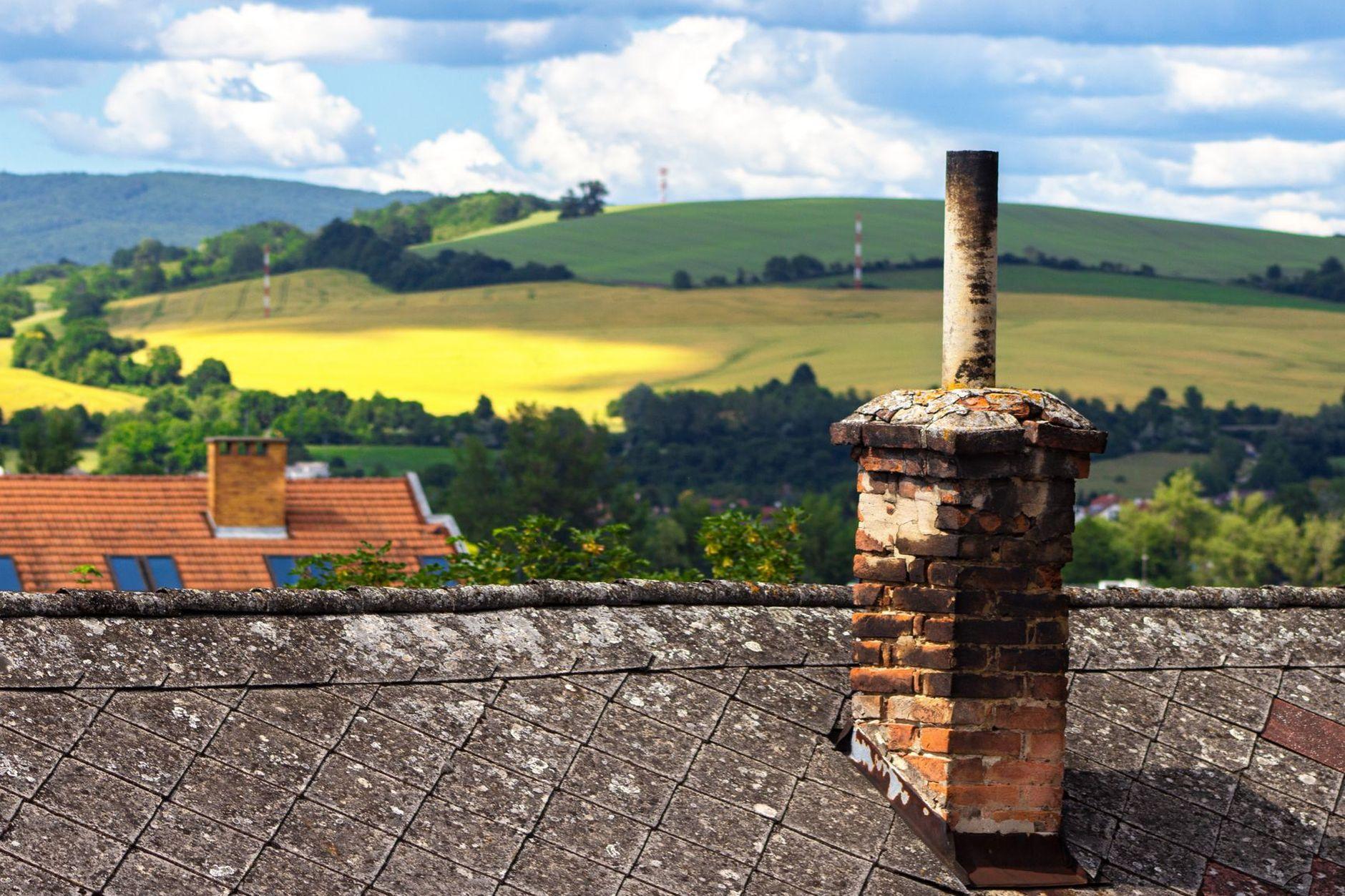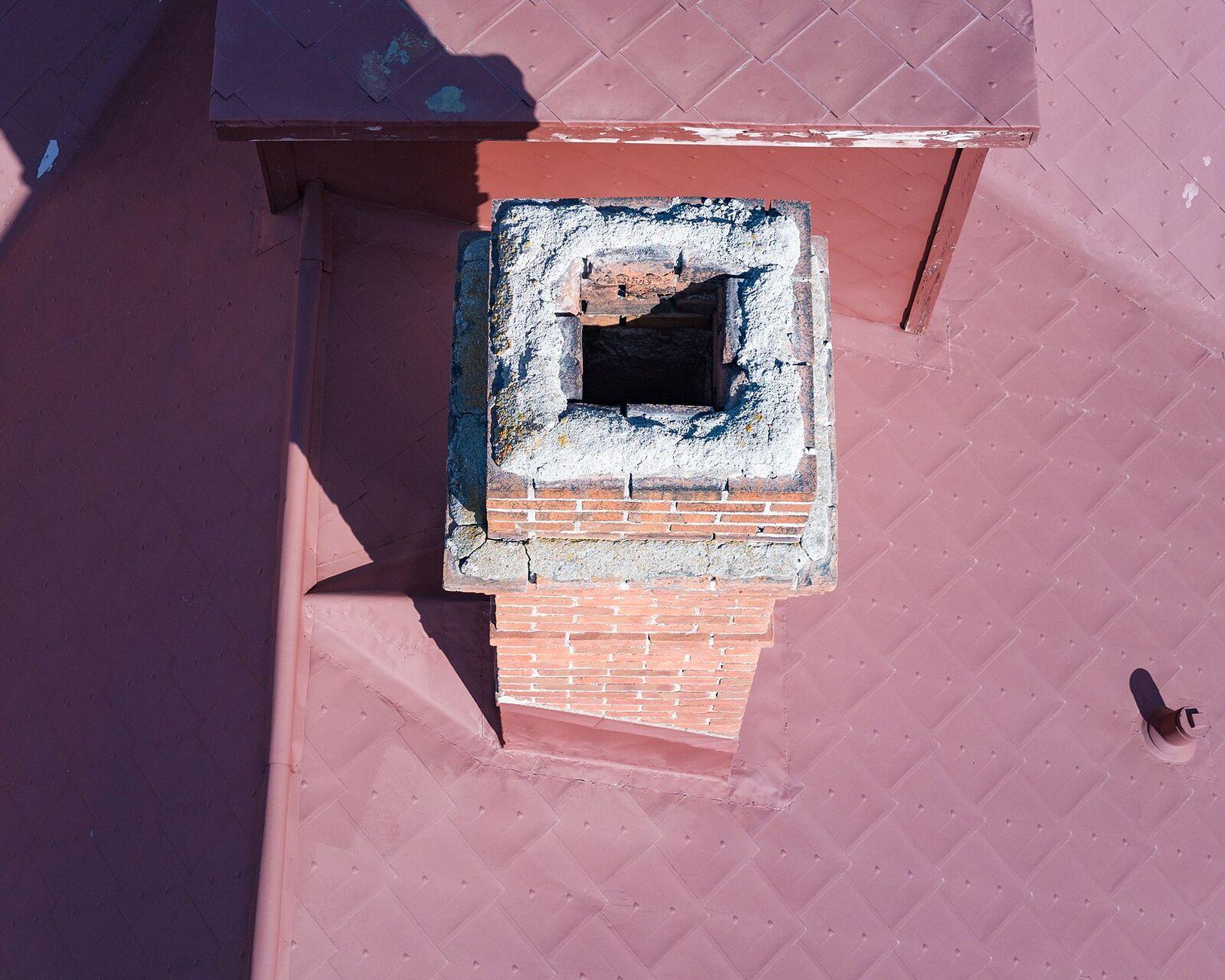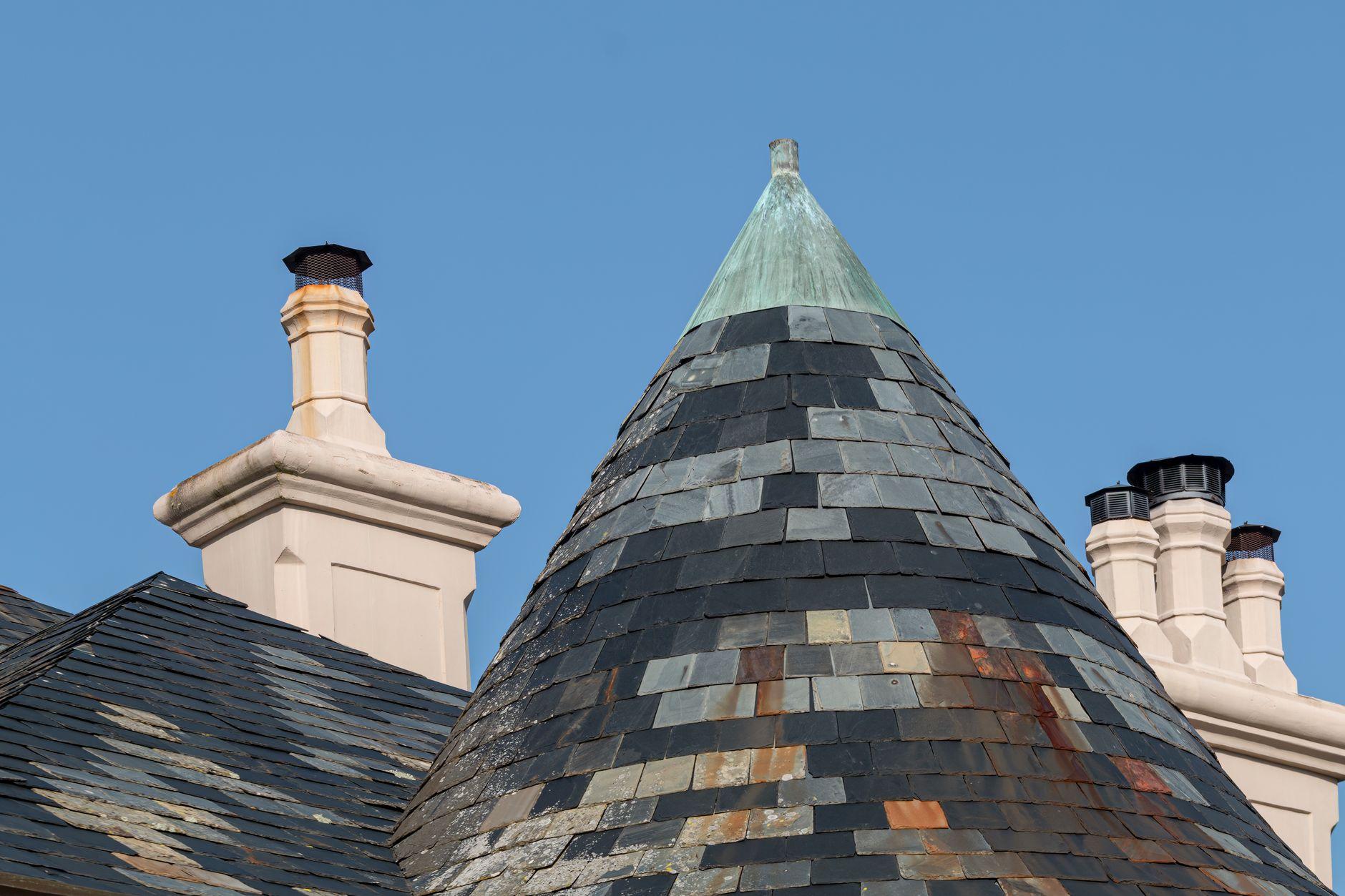

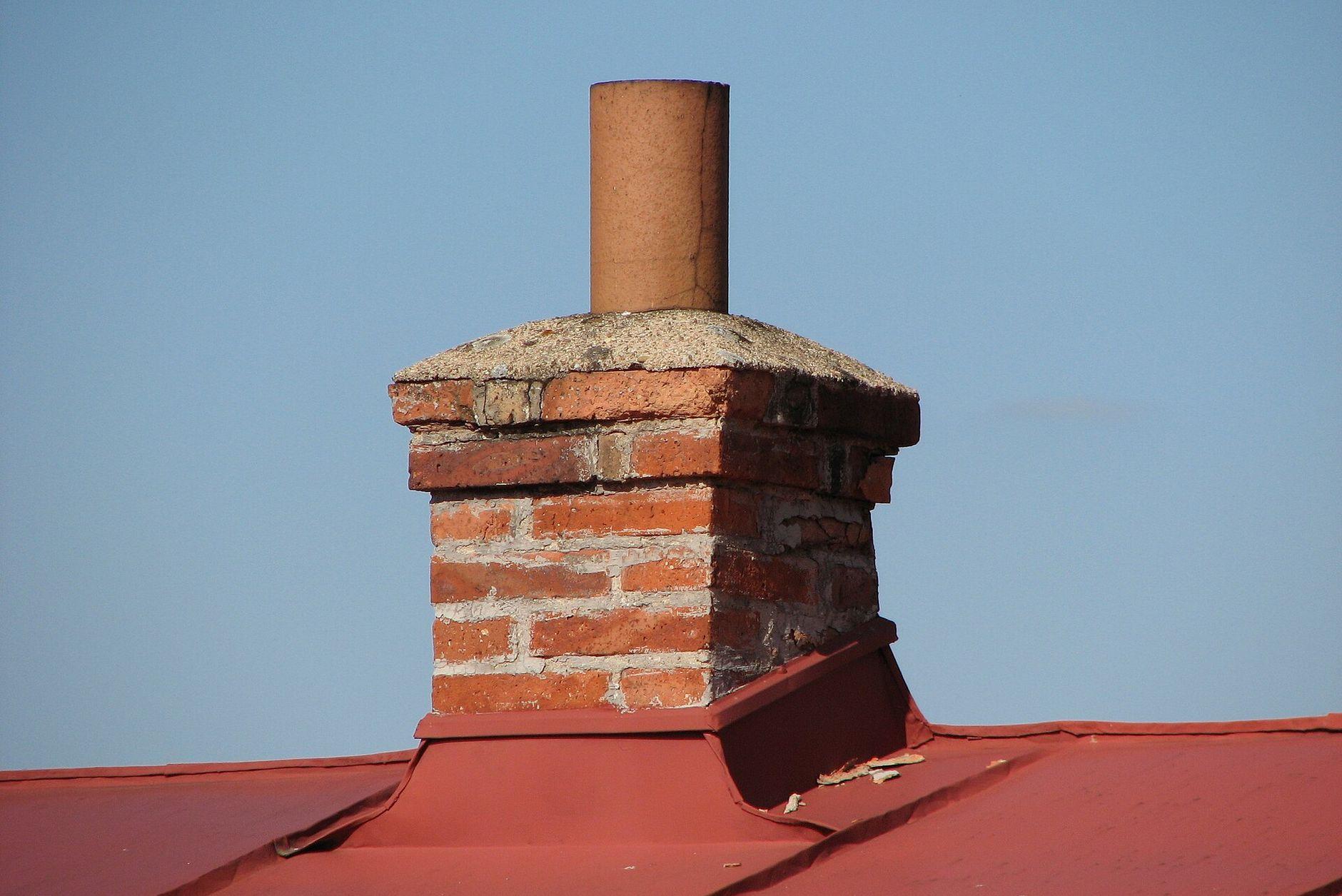
Brick chimneys rarely fail all at once. They lose mortar from the joints facing the weather, grow a crack in the crown, shed a brick face here and there, and eventually the top few courses go loose. For a seller in Orange the question is not whether the chimney is perfect. It is which of those stages it has reached, and what putting it right would cost before a buyer's inspector climbs up to look.
The masonry jobs we see ahead of a sale
- Repointing. Mortar joints that have worn away are cut back and filled with fresh mortar. On older Orange houses the brick is soft, so the new mortar has to be soft as well; a hard modern mix can crack the brick on either side of it.
- Brick replacement. Single bricks whose faces have flaked off are cut out and swapped for brick matched in size and colour.
- Crown work. The concrete top is sealed if its cracks are fine, or broken off and cast fresh if it has split through.
- Relaying the top. Where the courses above the roof have gone loose, we take them down to firm brick and lay them up again, often with new flashing as part of the same job.
- Tying back. A tall stack that is sound but stands well clear of the roof can be fastened to the roof framing with steel.
Our masonry repair service covers all of these, and the crown repair and rebuild pages go deeper into each.
Why masonry carries no published price
Masonry changes too much from one chimney to the next for a single number to be honest. What moves the figure up or down:
- How much of the stack is affected: a handful of joints on one face, or every joint above the roof
- Height above the roof and the pitch of the roof, which decide how we stage the work
- Whether matching brick can still be bought, or salvaged brick has to be found
- Whether the flashing must come off to reach the lowest courses
- Whether the crown is part of the job
So we measure first and send the figure in writing afterwards. It lists the courses, the joints and the materials, plus a line on what changes if firm brick sits lower down than it looked from the roof.
The prices that do appear
Several fixes that often travel with masonry work have published prices here:
| Alongside the brickwork | Price |
|---|---|
| Camera inspection to map the damage first | $400 |
| Leak traced and stopped where water already shows indoors | $575 to $3,450 |
| Cricket so water stops gathering on the stack's high side | $460 to $1,035 |
| That cricket and fresh flashing in one job | $690 to $1,700 |
| Cap set on once the top is sound | quoted after we measure the flue |
Now, or after the sale
For a seller, masonry splits neatly into two groups.
Deal with it now: anything that could fall or let water in quickly. Loose brick above the roof, a crown split through, or open joints on the face that takes the winter rain. These are the items a buyer's inspector will photograph and a lender may ask about.
It can wait: flaked faces on a few bricks low on the stack, hairline crown cracks, cosmetic staining. These can be disclosed, credited or left for the buyer, and the report will say they do not stop the fireplace from being used.
Request a masonry repair figure and tell us which face of the chimney looks worst from the street and whether your report mentions loose brick, so we bring the right gear on the first trip.
Quakes and older brick
Orange County shakes. The 1994 quake and the Whittier Narrows quake of 1987 both showed how brick chimneys behave in Southern California: they crack where the stiff masonry meets the flexing frame, usually right at the roofline. Chimneys around Orange that rode out those quakes may carry hairline cracks along that line that nobody has looked at since. A Level 2 before listing finds them, and the repair figure tells you whether repointing will do or the top needs relaying.
A note on newer homes
Not every house in our area has a brick chimney. Many homes in Irvine and in newer parts of Anaheim have factory-built fireplaces with a framed chase on the roof. Masonry repair does not apply there; the work is on the chase top, the metal flue and the siding. If you are unsure which kind you have, a chimney inspection settles it in one visit.
How the work fits around a listing
Masonry wants dry weather, and larger jobs need more than one visit. Plan the inspection first, then the measuring, then the work, all ahead of the listing photos if you can. If the listing date cannot move, a written figure in the disclosure packet is the fallback: it tells the buyer exactly what the job is and what it costs, and that takes the guesswork out of their repair request.
After the work, a camera re-check gives you a dated report showing the chimney as it stands now. That page often closes the subject in escrow, because it answers the buyer's question before anyone asks it.
Picking between repair and credit
If you are torn between fixing the brick and offering money off, our post on whether to fix or disclose a chimney defect walks through how sellers usually decide. For the inspection side, see the home sale inspection page.
Curious which group your chimney falls into? Send the address through our contact page and we will arrange a visit to the house in Orange or wherever nearby you are selling.
Selling Soon? Let the Report Reach You First
Toyon Chimney Pros inspects the chimney before you list and marks every finding repair, price or disclose. We work from Orange across Garden Grove, Irvine, Anaheim and the rest of Orange County.