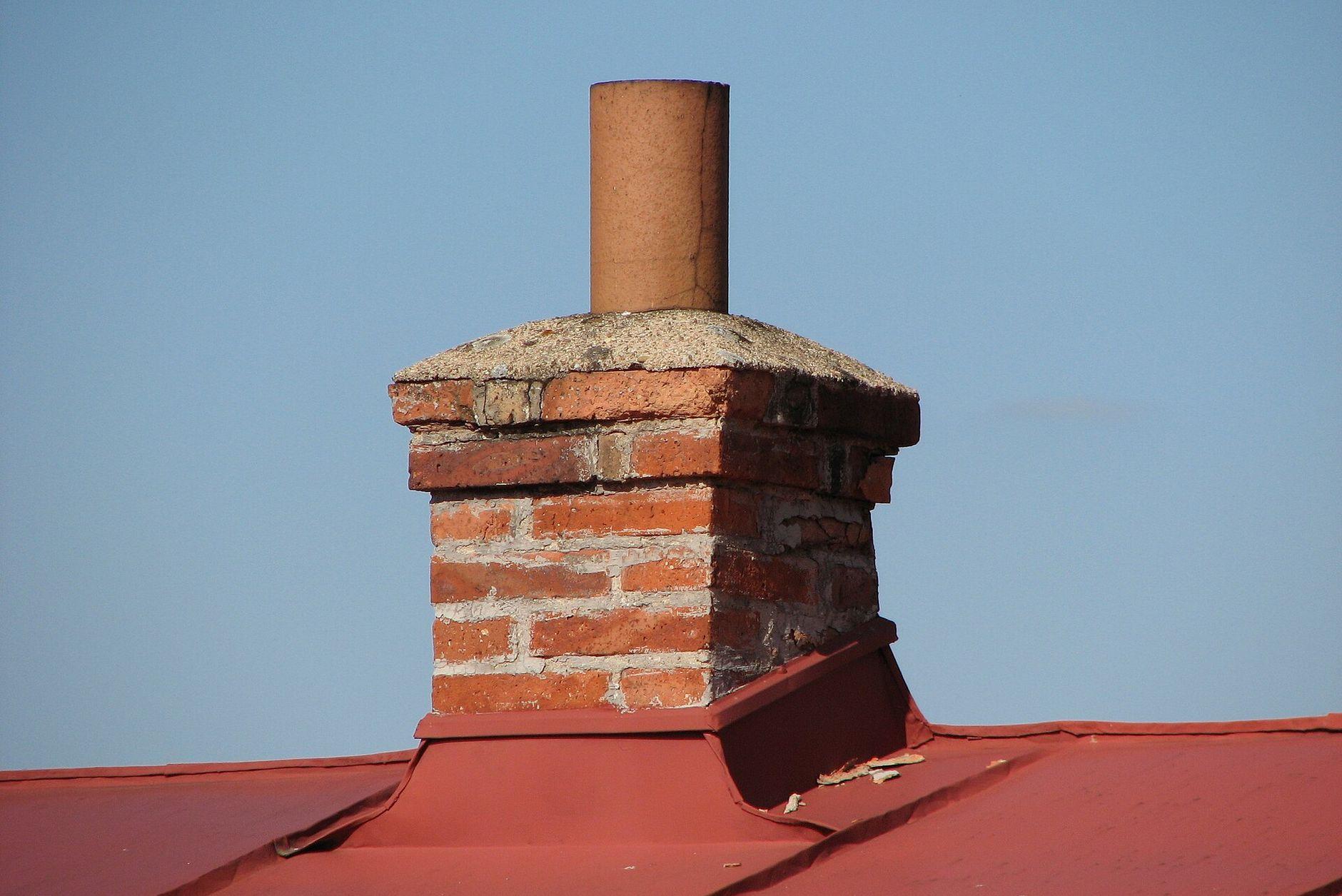


Every seller with a chimney problem ends up at the same fork. You can repair it before the house is listed, offer the buyer money to cover it, or write it into the disclosures and let the market sort out the price. In Orange, where plenty of houses still have their original brick fireplaces, Toyon Chimney Pros sees all three choices made all the time, and each one works in the right case.
Know what is actually wrong
The choice depends on the finding, so it starts with a report. A general home inspection rarely gives you enough to decide, because the inspector cannot see most of the flue. Our Level 2 inspection, $400 per visit, runs a camera through each flue and puts a verdict on every finding. Once you know whether the problem is a rusty cap or a split tile, the fork gets much simpler.
When repairing first pays
Repair before listing when the fix is small, cheap next to the value of the house, and visible to a buyer. These are the items that make a buyer's inspector write a nervous line even though the fix is minor:
| What turned up | The usual answer | Toyon price |
|---|---|---|
| Heavy soot in the firebox and flue | Sweep | from $430 |
| Flue top open, or its cap rusted out | Cap sized to the flue | quoted after we measure |
| Stain on the plaster near the stack | Source found and the water stopped | $575 to $3,450 |
| Leaves and water piling up behind a broad stack | Cricket on the uphill face | $460 to $1,035 |
| The same, with tired metal at the roofline | Cricket built and flashing redone | $690 to $1,700 |
A sweep or a cap done before the listing photos takes a finding off the buyer's report entirely. That is usually worth more than the work costs, because a buyer who finds nothing to ask for has nothing to bargain with.
When a credit pays
Offer a credit when the fix is large, slow to schedule, or open to choices the buyer may want to make. A crown that has to be cast again, a flue that needs a new liner, or brick above the roof that has to come down and be relaid are all good credit candidates. The buyer may want a different answer than you would pick, such as turning the fireplace over to gas instead of relining it for wood.
For a credit to hold up, it needs a figure behind it. Crown, liner and masonry jobs carry no published price on this site because they vary too much, so we measure them on the visit and write a figure on its own page. That page is what the buyer's agent will want to see before agreeing to a number.
When disclosure alone is enough
Disclose without fixing or crediting when the item is minor and does not affect safe use, or when the house is being sold as is. California's seller disclosure rules ask you to share what you know either way, so the report goes in the packet regardless. The only difference is whether you offer anything beside it.
Disclosure alone works for items like a worn damper seal, fine hairline cracks in a crown that still has years left, or soot staining on the face brick. A buyer reads them, sees a verdict of fine to use, and moves on to the next page.
The path that costs sellers most
The worst outcome is the one where the buyer finds the problem first. A repair request built on a vague inspection note tends to ask for the most expensive fix that fits its words. We have seen requests for a full rebuild when the camera showed one cracked tile near the top. A seller holding their own report can answer that kind of request with photos and prices instead of a phone argument.
What decides it for your house
Three questions settle most cases:
- Does the finding stop the fireplace from being used safely? If so, repair or credit it. Disclosure alone is not enough.
- Is the fix cheaper than the argument? Caps, sweeps and small leaks usually are. Repair them.
- Would a buyer want a say in the fix? Liners, rebuilds and gas conversions usually invite that. Credit them.
Ask for a written repair figure and list the findings named on your report, so we arrive with the right ladders and measuring gear.
Timing for each path
Repairs before listing need the inspection early, ahead of the photos. Credits need the written figure in hand while the buyer's contingency is still open, so the inspection and the measuring can happen on one trip. Disclosures need the report ready when the packet is assembled. In all three cases the earlier visit is the cheaper one, because it leaves you more choices.
Orange and the cities around it
The mix of findings shifts with the age of the house. Brick chimneys near the Plaza in Orange and in the older parts of Anaheim and Garden Grove tend to show mortar and crown wear. Factory-built fireplaces in Irvine tract homes more often show rusted chase tops and loose vent sections. The fork is the same in each case; only the line items change.
Read more on the home sale inspection page, or see what brick repairs cost before a sale.
When a finding is sitting on your desk and you need to pick a path, our contact page is the place to begin; tell us what the report said and we will help you put numbers to each option.
Selling Soon? Let the Report Reach You First
Toyon Chimney Pros inspects the chimney before you list and marks every finding repair, price or disclose. We work from Orange across Garden Grove, Irvine, Anaheim and the rest of Orange County.